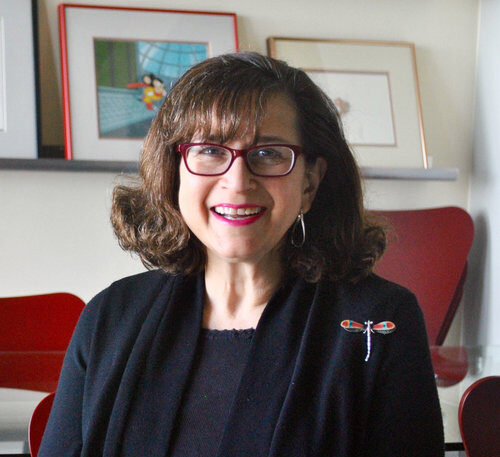
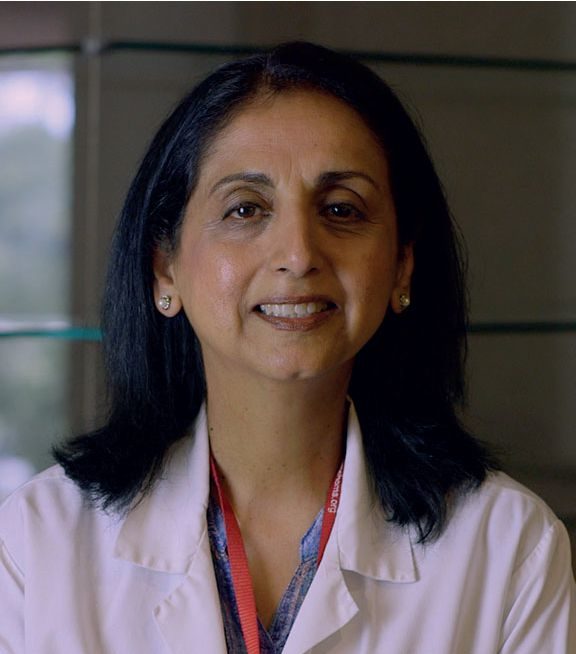
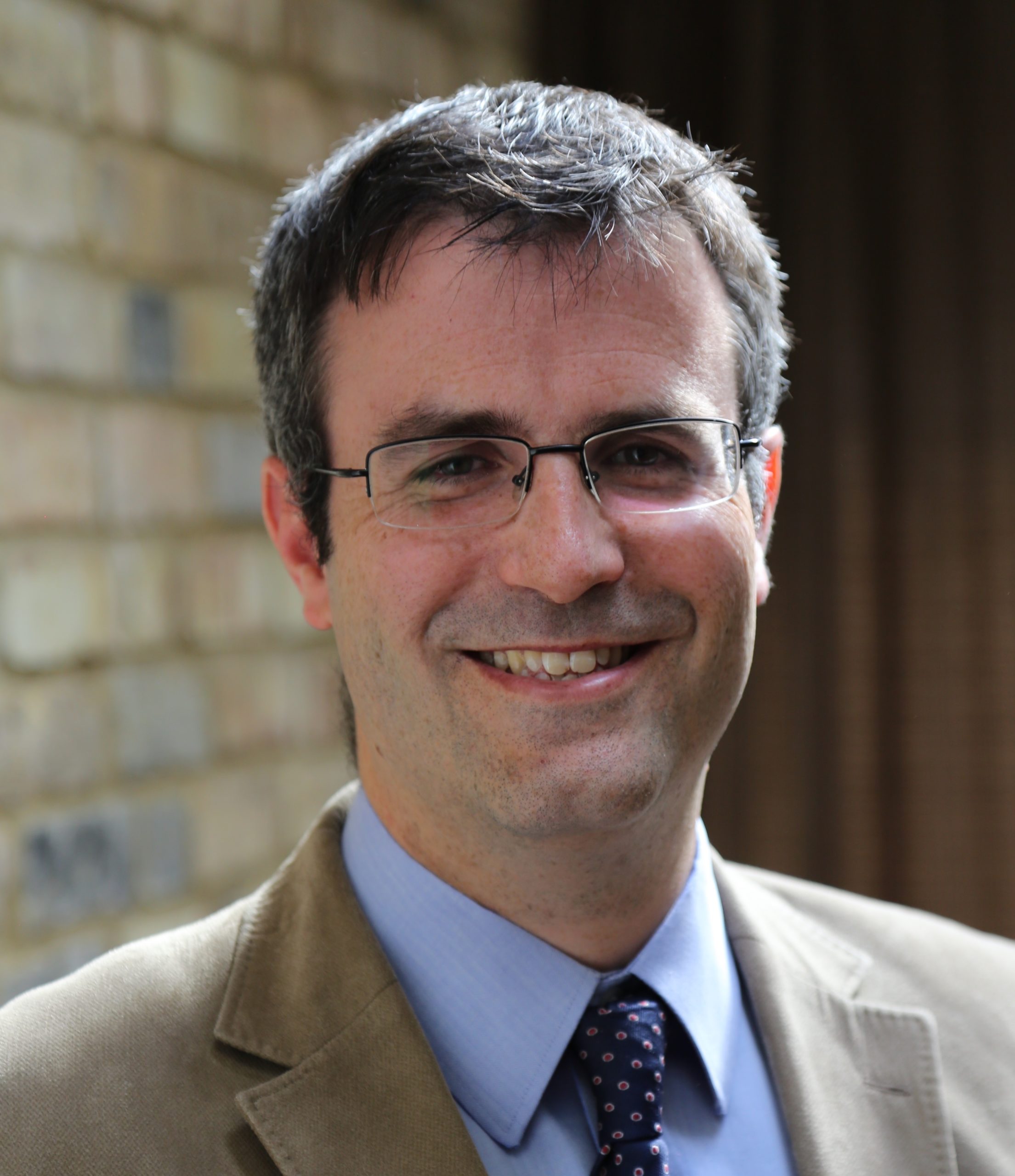
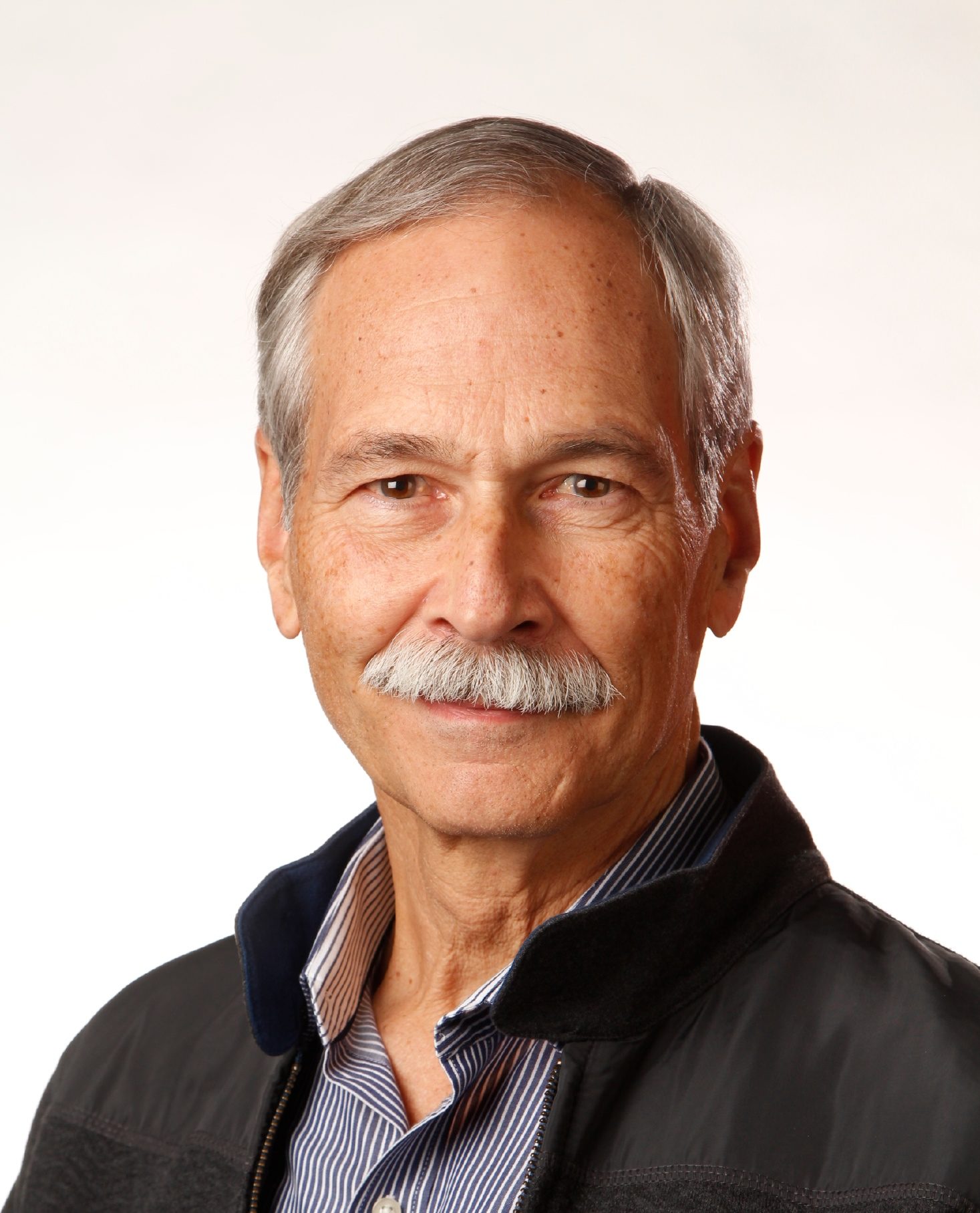
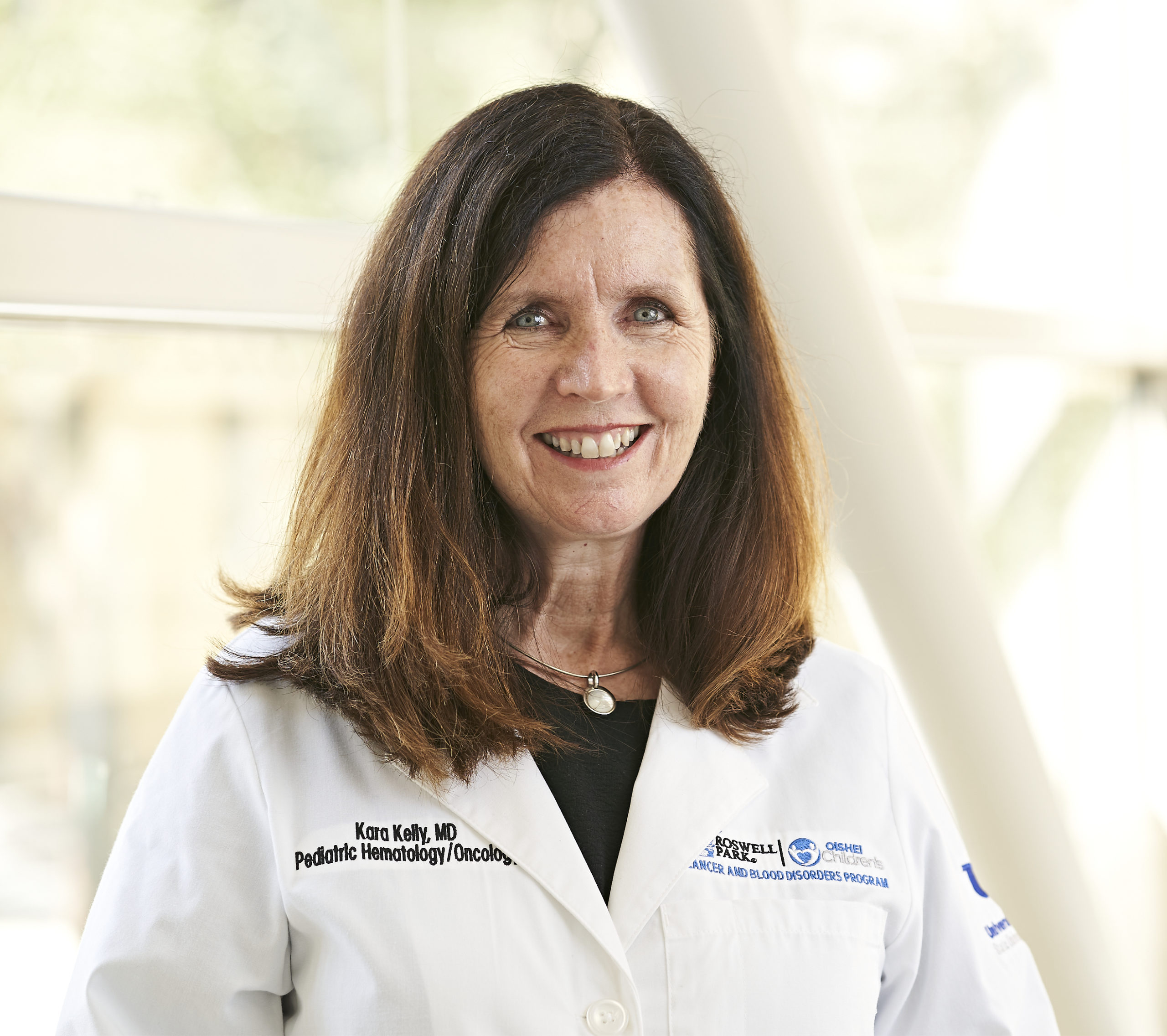
Learn more about GLOW and our network of NLPHL experts and patient advocates below.
To facilitate international collaboration aimed at optimizing the diagnosis, care, and outcomes for (and with) patients diagnosed with NLPHL worldwide.
To sustain a collaborative international research network that improves diagnosis, care, and outcomes for (and with) patients with NLPHL worldwide.
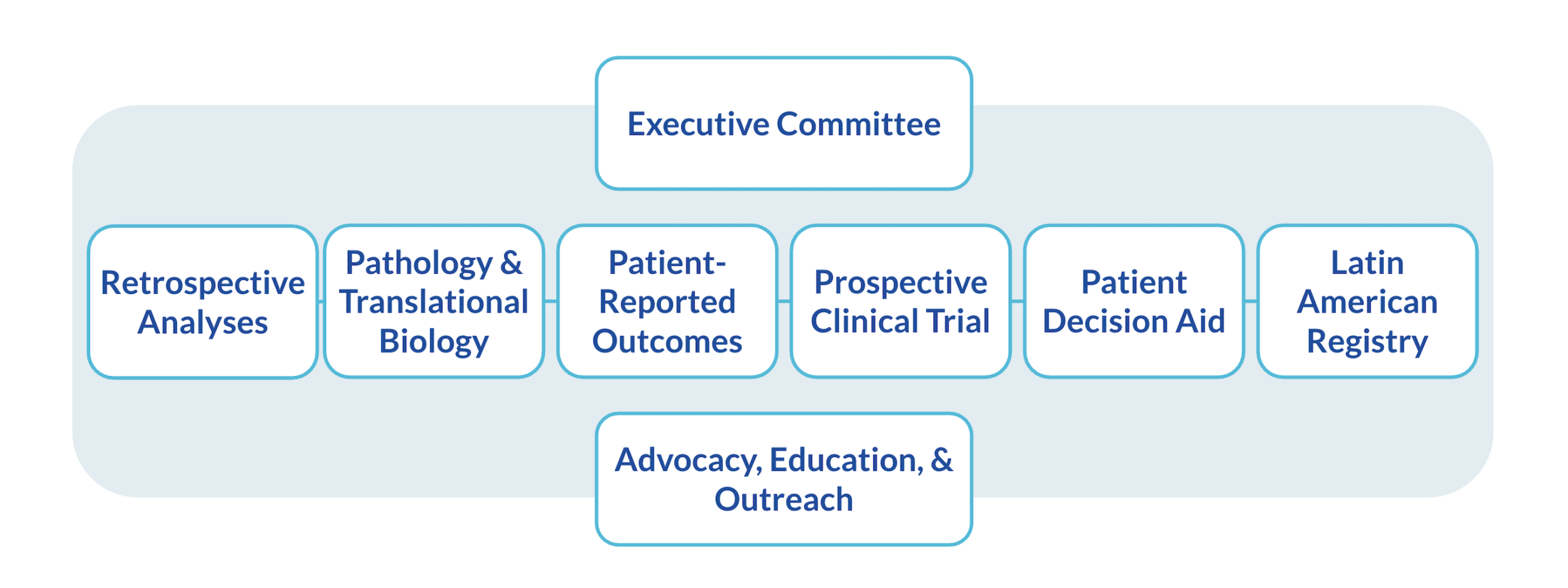
GLOW achieves its aims through the use of expert committees. The GLOW Executive Committee is comprised of NLPHL experts and patient advocates from around the world who are responsible for the strategic direction and oversight of GLOW research. GLOW research committees are comprised of NLPHL experts who design, implement, and analyze collaborative projects to address the scientific priorities of GLOW. Our advocacy, education, & outreach activities disseminate GLOW findings to key stakeholders.
Pediatric Oncologist
University of Rochester, USA
Radiation Oncologist
Stanford University, USA
Consortium Manager
University of Rochester, USA
Governance Expert
HiQ Analytics, LLC, USA
Oncologist
Stanford University, USA
Haematologist
Oxford University, UK
Radiation Oncologist
Stanford University, USA
Pediatric Oncologist
Roswell Park Cancer Institute, USA
Executive Committee
Prospective Trial
Patient Decision Aid
University of Rochester, USA
Executive Committee
Retrospective Analyses
Prospective Trial
Stanford University, USA
Pathology & Translational Biology
Phoenix Children’s Hospital, USA
Pathology & Translational Biology
Massachusetts General Hospital, USA
Patient-Reported Outcomes
University of Colorado School of Medicine, USA
Latin American Registry
Hospital Universitário Oswaldo Cruz , Brazil
Dominic Biney-Amissah, Patient Advocate, USA
Sharon Castellino, MD, MSc, Pediatric Oncologist, Children’s Healthcare of Atlanta, USA
Lorilei Goes, Patient Advocate, USA
Miranda Goes, Patient Advocate, USA
Ann LaCasce, MD, MMSc, Dana-Farber Cancer Institute, USA
Andrea Lo, MD, MPH, FRCPC, Radiation Oncologist, BC Cancer Vancouver, Canada
Ajay Major, MD, MBA, Early Career Investigator, University of Colorado, USA
Rachel Mariani, Pathologist, Phoenix Children’s Hospital, USA
Matthew J. Maurer, DMSc, Statistician, Mayo Clinic, USA
Sarah Milgrom, MD, Radiation Oncologist, University of Colorado, USA
Yasodha Natkunam, MD, PhD, Pathologist, Stanford University, USA
Jennifer Seelisch, MD, MSc, Early Career Investigator, Children’s Hospital London Health Sciences Centre, Canada
Yiwang Zhou, PhD, Statistician, St. Jude Children’s Research Hospital, USA

David Cutter, MBBChir, MRCP, FRCR, DPhil, Radiation Oncologist, Oxford University, UK
Daphne de Jong, MD, PhD, Pathologist, Amsterdam UMC, VU University Medical Center, The Netherlands
Karin Dieckmann, MD, Radiation Oncologist, Medical University of Vienna, Austria
Dennis Eichenauer, MD, Oncologist, University Hospital of Cologne, Germany
Sylvia Hartmann, MD, Pathologist, University Hospital of Essen, Germany
Amy Kirkwood, MSc, Statistician, University College London, UK
Christine Mauz-Körholz, MD, Pediatric Oncologist, Justus-Liebig University Gießen, Germany
Caroline Page-Kirby, Patient Advocate, Switzerland
Marius Rohde, MD, Early Career Investigator, Justus-Liebig University Gießen, Germany
Andrea Visentin, MD, PhD, Early Career Investigator, University of Padova, Italy
Ana Rosa Braz Costa, MD, PhD, Pediatric Oncologist, Hospital de Câncer Infantojuvenil de Barretos, Brazil
Michael Dickinson, MBBS (Hons), DMed Sci, FRACP, FRCPA , Oncologist, Peter MacCallum Cancer Centre, Australia
Laura Korin, MD, Early Career Investigator, Instituto Alexander Fleming, Argentina
Michael MacManus, MD, Radiation Oncologist, Peter MacCallum Cancer Centre, Australia
Cristiane Milito, MD, PhD, Pathologist, Universidade Federal do Rio de Janeiro, Brazil
Adriana Morais, MD, Hospital Universitário Oswaldo Cruz , Brazil
Leanne Super, MBBS, FRACP, Pediatric Oncologist, Monash Children’s Hospital, Australia
Nicole Wong Doo, MBBS, PhD, FRACP, FRCPA, Pathologist, Concord Clinical School, Concord Hospital, University of Sydney, Australia
Dr. Jamie Flerlage approaches international pediatric research groups about joining forces to revive NLPHL research via an international consortium.
Dr. Michael Binkley begins building the largest international cohort of data from adult patients with NLPHL.
GLOW is formally established as a joint effort between pediatric and adult cooperative research groups around the world to study NLPHL and establish a standard of care across the age continuum.
Dr. Michael Binkley and GLOW collaborators publish Stage I-II nodular lymphocyte-predominant Hodgkin lymphoma: a multi-institutional study of adult patients by ILROG, which presents the data from the cohort to date (559 patients ages 16 and older) diagnosed with with low-stage NLPHL.
GLOW Pathology & Translational Biology Committee launches.
Drs. Andrea Lo and Ajay Major and GLOW collaborators publish Practice patterns for the management of nodular lymphocyte-predominant Hodgkin lymphoma (NLPHL): an international survey by the Global NLPHL One Working Group (GLOW), which provided evidence of the significant variability in practice patterns for management of NLPHL among global physicians. This study clarified the international resources that would be needed to establish a standard of care treatment regimen to prevent the over-treatment of patients with NLPHL and to reduce avoidable toxicities of unnecessarily aggressive treatment regimens.
The GLOW Executive Committee, Patient-Reported Outcomes Committee, and Prospective Clinical Trial Committee launch.
First GLOW Summit held in Cologne, Germany.
Members of the GLOW Executive Committee present on GLOW work to date at major conferences including Congresso SLAOP/ SOBOPE, SIOPE, ICML, ISCAYAHL, and ASCP.
Patient advocates join the GLOW Executive Committee.
Drs. Michael Binkley and Jamie Flerlage and GLOW collaborators publish International Prognostic Score for Nodular Lymphocyte–Predominant Hodgkin Lymphoma, an international retrospective study of 2,243 patients of all ages across 38 contributing institutions who were diagnosed with NLPHL of all stages. Clinical and pathologic factors of NLPHL were assessed and used to develop a lymphocyte-predominant international prognostic score (LP-IPS), which allows for identification of low-risk patients in whom de-intensification of therapy should be further studied.
GLOW’s Patient-Reported Outcomes and Quality of Life in Adult and Pediatric Patients with Nodular Lymphocyte-Predominant Hodgkin Lymphoma (NLPHLPRO) study opens in North America.
The Advocacy, Education, and Outreach Committee launches.
The GLOW Executive Committee pilots its Publication Policy and Project Request Application form.
Second GLOW Summit held in Cologne, Germany.
Dr. Ajay Major and collaborators publish Patient and care partner perspectives on treatment decision-making in nodular lymphocyte-predominant Hodgkin lymphoma (NLPHL): a Global nLPHL One Working Group (GLOW) study. This paper presents findings from GLOW’s qualitative study of patient and care partner persepectives on NLPHL decision-making, promotes alignment of NLPHL research with patient priorities, informs NLPHL clinical trial design, and proposes strategies to improve patient counseling to address the anxiety and frustration experienced while living with NLPHL.
Monica Palese, MPH and collaborators publish Global nLPHL One Working Group (GLOW) Research Roadmap for Nodular Lymphocyte-Predominant Hodgkin Lymphoma, which summarizes historical challenges in NLPHL research and GLOW’s initial roadmap to accelerate NLPHL research as a global community.
GLOW Executive Committee Members present at national, regional, and global meetings including SIOPE, Congreso SLAOP/ACHOP, ICML, ISCAYAHL, SIOP, and ANZCHOG.
Subramanian & Su et al publish Distinct cell state ecosystems for nodular lymphocyte-predominant Hodgkin lymphoma, which identifies 3 “lymphocyte predominant ecotypes” (LPEs) that are prognostic of survival outcomes. LPE3, in particular, was associated with statistically significant worse freedom from progression. These findings suggest that cell state phenotypes and ecosystems may add additional prognostic capability beyond the LP-IPS.
Dr. Jamie Flerlage and collaborators publish Historical outcomes for patients with stage IA NLPHL: RGlobal nLPHL One Working Group (GLOW) retrospective analyses. These analyses suggest that 1) radiation therapy improves progression-free survival in patients with completely resected disease, 2) rituximab or ABVD alone do not appear to achieve a durable response, and 3) chemotherapy was not observed to add additional progression-free survival benefit benefit when used in combination with radiation therapy. Thus, for stage IA NLPHL, radiation therapy alone is likely sufficient for definitive treatment.
The Suzi Birz Commitment to Collaboration Award was initiated in October 2022 at the 1st GLOW Summit to celebrate GLOW members’ dedication to global collaboration. The award is named in honor of GLOW’s founding consortium manager and governance expert, Suzi Birz, MScMMI, Life FHIMSS.
2022 Suzi Birz, MScMI, FHIMSS
2024 Matthew J. Maurer, DMSc, MS
2025 Yasodha Natkunam, MD, PhD
The Global nLPHL One Working Group is committed to improving outcomes for all patients diagnosed with nodular lymphocyte-predominant Hodgkin lymphoma.
Researchers: Complete our Tell Us About You form or email us
Patients & care partners: Email to join our listserv or become a NLPHL patient advocate
Click here to support NLPHL research